


















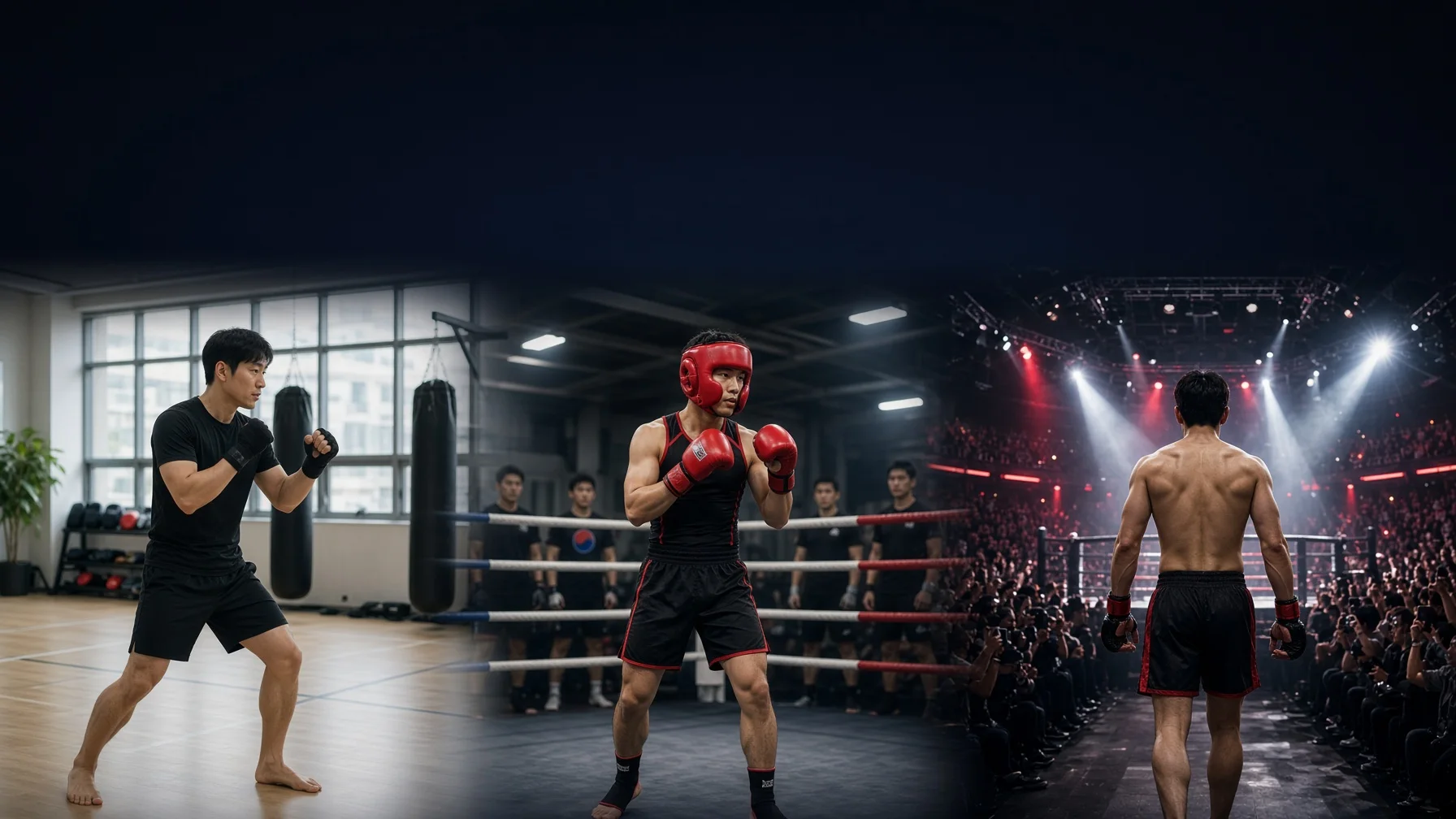
When looking for a kickboxing event, you may see labels such as recreational, amateur, novice, open class, semi-pro or professional. It is tempting to treat them as a fixed ladder from beginner to expert, but their meaning and competition rules vary by promoter, sanctioning body and country.
The most important rule is not to judge the level of a bout from its label alone. Always read the official event information and current competition rules before entering.
What is recreational kickboxing?
Recreational competition is generally designed for participation, fitness and gaining bout experience. Some events use shorter rounds, controlled contact or exhibition formats without an official winner. Other recreational events do record scores and results, so it is not correct to assume that every recreational bout ends without a decision.
Required protective equipment, round structure, permitted techniques, age groups and experience divisions also vary. Coaches and parents should review contact rules and safety equipment especially carefully for children and first-time competitors.
How is amateur kickboxing defined?
Amateur kickboxing is contested under an amateur ruleset and athlete registration system. Events may separate novices from experienced athletes, but the number of previous bouts used to define those divisions is not universal.
Round length, headgear, shin guards and other equipment can differ by discipline and age. The use of knees, elbows, clinching or sweeps may also change between rulesets. For internationally sanctioned events, check the latest rules of the sanctioning body. For local events, follow the organiser's official notice and the instructions of the appointed officials.
Is semi-pro a universally recognised level?
No. Semi-pro is a label used by some promotions to describe a transition between amateur and professional competition. There is no single worldwide semi-pro licence or ruleset. One promoter may use adjusted rounds and protective equipment, while another may not use the category at all.
If you are offered a semi-pro bout, check the actual terms rather than relying on the name. Confirm in writing whether there is a contract or purse, whether the result enters an official record, what medical checks and insurance apply, which equipment is required, how many rounds are scheduled and which techniques are permitted.
What makes a professional bout different?
Professional competition is conducted under the professional rules, licensing requirements and contractual procedures of the relevant jurisdiction or sanctioning body. Payment alone does not necessarily determine whether a bout is professional. Athlete licensing, bout agreements, weigh-ins, medical examinations, official record keeping, legal techniques and round structure are considered together.
The word professional is also not an automatic guarantee that one athlete is better than another. It describes regulatory, contractual and competition status as well as experience.
What should you compare between the four categories?
- Sanctioning body and eligibility: which association, commission or promotion governs the event
- Purpose: experience, exhibition, ranking or an official result
- Round structure: number and length of rounds and rest periods
- Permitted techniques: rules for knees, clinching, sweeps, elbows and other techniques
- Protective equipment: requirements for headgear, mouthguards, shin guards and body protection
- Matchmaking: age, weight, record, experience and recent bout history
- Safety procedures: medical checks, insurance, emergency personnel and stoppage criteria
- Contracts and records: purse, written agreement and whether the result is added to an official record
Check before you enter
Two events can use the same amateur or semi-pro label while offering very different bout conditions. Do not rely only on a short registration description. Read the official rules and ask your coach and the organiser about anything that is unclear. For minors, confirm parental consent, age-specific permitted techniques, protective equipment and medical support.
International bodies such as WAKO publish separate rules for disciplines, equipment and medical requirements. Rules can change, so the current event notice should take priority over past experience.
Find a kickboxing event that suits you
Match FightInfo lets you search for kickboxing events by country and sport and review the available schedule and event information. Before entering, compare the listing with the organiser's official source.
 United States